

10 Books That Changed the Way I Think About Organizations
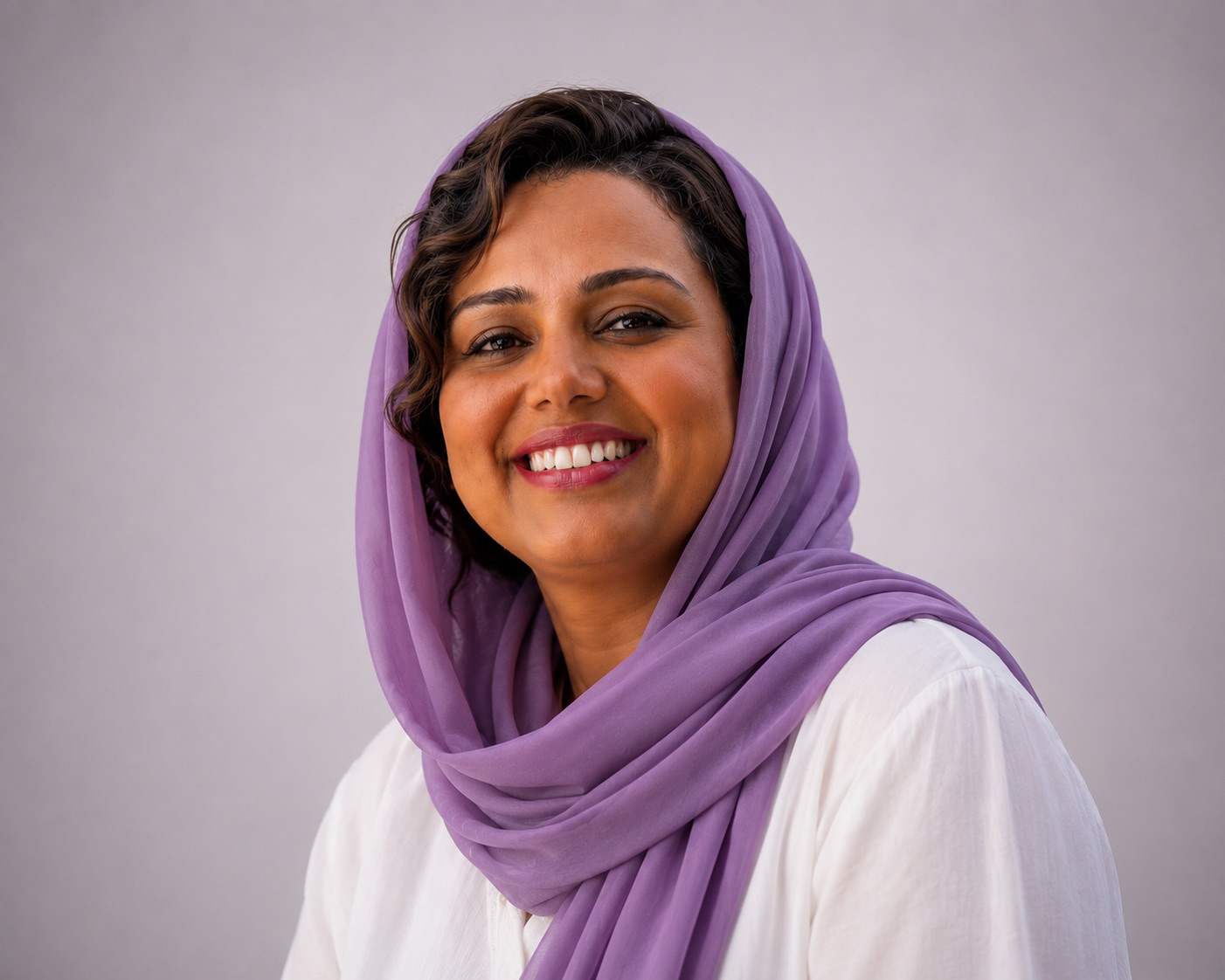
The books behind my thinking as a coach, consultant, researcher, and writer.
By Dr. Ehssan Aljohani
⸻
People often ask where my ideas about organizations come from.
Is it my doctoral studies? Executive coaching? Consulting? Academic research?
The answer is all of these—but not entirely.
Much of my thinking has been shaped by books. Some challenged the way I understand organizations. Others changed how I think about people, leadership, creativity, and meaning. Together, they continue to influence the questions I ask, the conversations I have with leaders, and the way I approach organizational transformation.
These are not necessarily the “best” books ever written.
They are simply the books that have changed my way of thinking.

⸻
Images of Organization
Gareth Morgan
This is the single book that has influenced my thinking about organizations more than any other.
Morgan reminds us that organizations can be viewed through different metaphors—machines, cultures, political systems, brains, or living organisms. Each metaphor reveals something while hiding something else.
Question it left me with
If your organization were a metaphor, what would it be?
⸻
The Workplace Within
Larry Hirschhorn
Organizations are not only structures and processes.
They are emotional spaces.
Every meeting, conflict, and change initiative carries human emotions beneath the surface.
This book helped me appreciate the inner world of organizations.
⸻
The Unconscious at Work
Anton Obholzer & Vega Zagier Roberts
Some of the strongest forces inside organizations are invisible.
Silence.
Fear.
Projection.
Unspoken assumptions.
This book changed how I listen—not only to what people say, but also to what remains unsaid.
⸻
Man’s Search for Meaning
Viktor Frankl
Although not written for managers, this book has deeply influenced my consulting practice.
Organizations can provide salaries.
Leaders can create opportunities.
But only people can discover meaning.
That search belongs inside organizations as much as it belongs inside individuals.
⸻
The Work We Were Born to Do
Nick Williams
This book encouraged me to ask a different career question.
Not:
“What should I become?”
But:
“What kind of work allows me to become more myself?”
⸻
Big Magic
Elizabeth Gilbert
Creativity is not reserved for artists.
Organizations need creativity.
Leaders need creativity.
Consultants need creativity.
Sometimes the greatest innovation begins simply by giving ourselves permission to create.
⸻
Tuesdays with Morrie
Mitch Albom
This book quietly reminds us that success is never the whole story.
Leadership is ultimately about people.
Compassion.
Relationships.
Legacy.
The questions that matter most rarely appear on a performance dashboard.
⸻
Coaching Across Cultures
Philippe Rosinski
Coaching becomes richer when we recognize that culture shapes how people think, communicate, lead, and make meaning.
This book expanded my perspective beyond coaching models to the cultural contexts in which those conversations take place.
⸻
The 7 Habits of Highly Effective Teens
Sean Covey
I have always believed that timeless principles are often communicated through simple language.
Responsibility.
Integrity.
Initiative.
These ideas matter just as much in organizations as they do in adolescence.
⸻
What Connects These Books?
At first glance, these books seem unrelated.
Some explore organizations.
Others focus on psychology, coaching, creativity, or meaning.
Yet they all point toward the same belief:
Organizations are human systems before they are business systems.
When we understand people more deeply, we lead more wisely.
When we create meaning, performance follows.
When we change language, we often begin to change culture.
And when we remain curious, organizations become places not only where people work—but where they grow.
⸻
Reading Recommendation
If I could recommend only one book to someone beginning to explore organizations, it would be Images of Organization.
It is the book I return to most often because every reading reveals a new way of seeing.
Until next time, keep asking better questions.
— Dr. Ehssan Aljohani


Comments